If you picture golf course living as one narrow lifestyle, Westfield may surprise you. In this market, you can find a private club setting with a broad amenity package or a more public, golf-adjacent setting built around a municipal course. If you are trying to decide whether this kind of home fits the way you actually live, this guide will help you understand what to expect in Westfield. Let’s dive in.
Two Golf Living Paths
In Westfield, golf course living is most visible in two distinct models. The first is the private-club environment at Chatham Hills, and the second is the public-course corridor around Wood Wind Golf Club and Wood Wind Landing.
That difference matters because the day-to-day experience can feel very different. One setting is built around private club access and a broad lifestyle offering, while the other centers more on public golf access, surrounding residential development, and an evolving amenity plan.
Chatham Hills: Private Club Lifestyle
Chatham Hills describes itself as a premier private golf community in Westfield. Official and builder materials point to a Pete Dye-designed 18-hole course, an executive 9-hole course, and a large clubhouse that helps anchor daily life in the community.
Builder information also describes 740 acres of rolling, wooded terrain, 200 acres of open space, and more than 74 feet of elevation, which gives the setting a more varied feel than a typical flat subdivision. According to McKenzie Collection community details, residents may also find trails, open space, and a dog park as part of the broader neighborhood environment.
Wood Wind: Public Course Setting
The other main option is the area around Wood Wind Golf Club, which is Westfield’s only public golf course. Local reporting from WRTV notes that the city purchased the course in September 2024 for $3.1 million, which adds an important municipal layer to how this area may develop over time.
Wood Wind includes an 18-hole championship course, a short-game area, instruction, banquet facilities, a clubhouse, food and beverage service, two public pickleball courts, and a beer garden, based on the official course website. Next to it, Wood Wind Landing is being planned around the course with custom homesites in several sections.
Home Styles You Can Expect
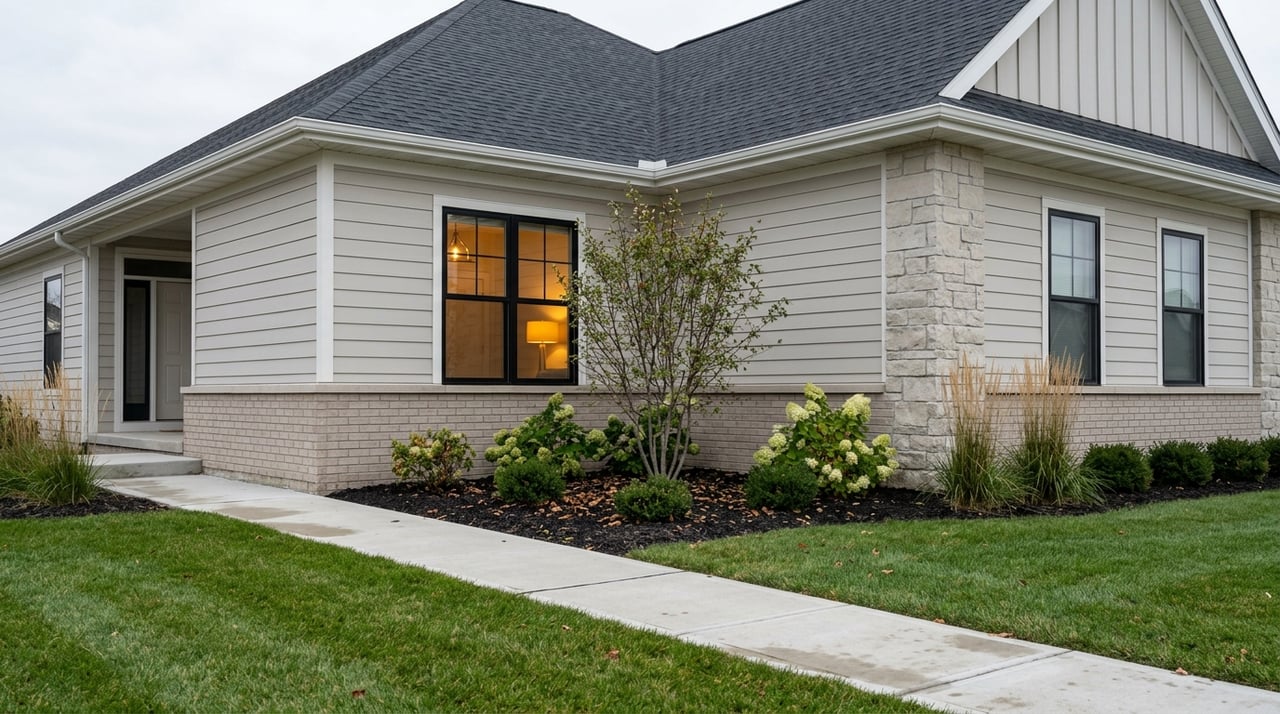
One of the biggest takeaways in Westfield is that golf course living does not mean one standard house type. Instead, the area includes a mix of larger custom homes, semi-custom homes, and some lower-maintenance options depending on the community section.
That can be useful if you like the golf setting but want a home that matches your actual priorities, whether that means more square footage, outdoor entertaining space, or a more manageable lot.
Chatham Hills Home Options
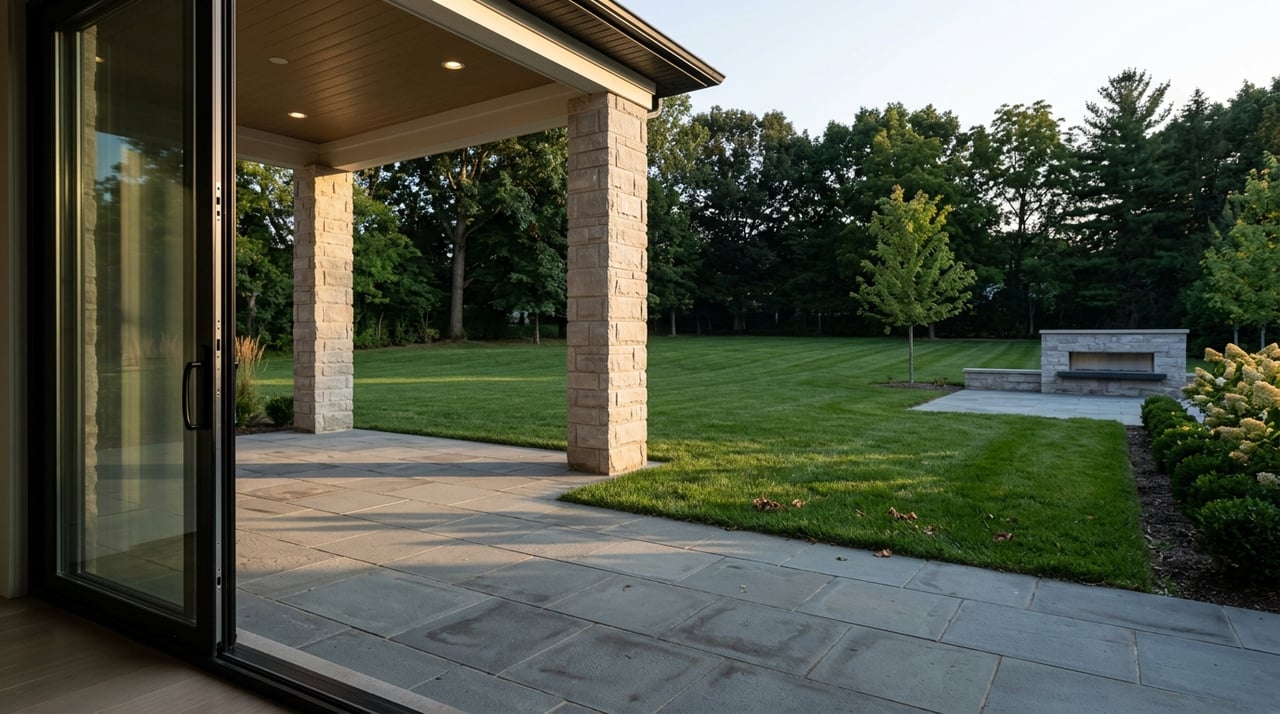
In Chatham Hills, builder materials show a range that leans toward upscale custom and semi-custom homes. Wedgewood Building Company’s neighborhood page highlights features such as covered patios, fire pits, and 3-car garages, which align with the kind of indoor-outdoor living many buyers want in a golf community.
A newer section called Chatham Village is marketed with front-porch-style homes, alley-load garages, tree-lined streetscapes, and lower-maintenance lots. That gives buyers a different entry point into the community lifestyle without requiring the same lot size or exterior upkeep as some of the larger homes.
Wood Wind Landing Lot Mix
At Wood Wind Landing, the focus appears to be more lot-driven than clubhouse-driven. The official site breaks the development into The Preserve, The Links, and The Greens, with lot sizes ranging from 67' x 150' to 100' x 165'.
That suggests you may see a mix of homesites, including some with stronger course orientation and others with a more neighborhood-style feel. It is also worth noting that the project is still evolving. The official site references 183 homesites, while a January 2025 report from Current described 186 single-family homes in the Woodwind PUD, which likely reflects planning changes over time.
Amenities Shape Daily Life
When people think about golf course homes, they often focus on views first. In practice, the amenity structure may matter just as much because it shapes how you spend your time throughout the week.
In Westfield, that is one of the clearest distinctions between Chatham Hills and the Wood Wind area.
Chatham Hills Amenities
At Chatham Hills, the clubhouse appears to be a major lifestyle driver. The official clubhouse page says the 65,000-square-foot clubhouse is the heart of the community and lists fitness facilities, indoor basketball, a bowling alley, indoor and outdoor aquatics, tennis, pickleball, dining, and access to the Monon Trail.
That matters if you want your neighborhood to offer more than golf alone. Community materials also point to a dog park, trails, and event space around Lindley Farmstead, reinforcing the idea that this is a broader recreational setting and not only a golf-focused address.
Wood Wind Amenities
Wood Wind offers a more casual and public-facing experience. The official course site highlights public golf, instruction, banquet space, pickleball, and a beer garden, which can create a more open, active feel around the course.
According to Current’s reporting on the Woodwind PUD, the surrounding development also includes plans for buffers, a pool, pickleball courts, a paved trail, a bathhouse, and a picnic shelter. For buyers, that means the area may continue to change as the development matures.
What the Seasons Feel Like
Golf course living in Westfield has a real seasonal rhythm. Based on NOAA and National Weather Service climate normals for Indianapolis, average highs are 73.4°F in May, 82.0°F in June, 85.2°F in July, 84.3°F in August, 78.2°F in September, and 65.6°F in October.
In practical terms, that supports a long outdoor season from spring through fall. Patios, trails, golf access, and outdoor social spaces may play a larger role for much of the year, while winter shifts attention toward indoor amenities and lower-maintenance routines.
Snowfall also helps explain that shift. The same climate source shows average snowfall at 0.0 inches from May through September, then 6.4 inches in December and 8.8 inches in January, which is a reminder that your cold-weather experience may look very different from peak golf season.
Practical Questions to Ask Before You Buy
A golf course address can be appealing, but the details matter. If you are comparing homes in Westfield, it helps to look past marketing photos and ask how the property functions on a daily basis.
Here are a few smart questions to keep in mind.
What Maintenance Is Included?
Maintenance responsibilities can vary by neighborhood and by home type. McKenzie Collection materials for Chatham Hills specifically mention yard and lawn care, sprinkler systems, and snow and trash removal for certain offerings.
By contrast, Wood Wind Landing materials emphasize custom homesites and a golf-adjacent setting. If you are comparing options, verify exactly what is included with the property you are considering rather than assuming one golf community works like another.
How Stable Are the Views and Access Patterns?
This is especially important near Wood Wind because the course and surrounding development are actively being reshaped. Current’s January 2025 coverage reports that several holes will be replaced or reworked as part of the larger plan.
If you care about fairway frontage, privacy, or your relationship to trails and amenities, ask how the site plan may affect that over time. What you see today may not be the final long-term layout.
What Kind of Activity Level Do You Want?
Because Wood Wind is a public course, it may have more general community traffic and a more open atmosphere than a private club setting. That may be a positive if you want a casual environment with public activity and easy access to course amenities.
If you prefer a more controlled club environment, Chatham Hills may feel different in day-to-day use. Neither model is better across the board. It simply depends on how you want your home environment to function.
Who Golf Course Living Fits Best
In Westfield, golf course living can work well for different kinds of buyers because there is more than one format. Some buyers want a private, club-centered routine with fitness, dining, and year-round amenities close to home. Others want the visual appeal of a golf setting and the flexibility of a public-course area with evolving residential options.
The best fit usually comes down to your priorities: home style, maintenance level, amenity access, privacy, and how much change you are comfortable with in the surrounding area. A strong buying strategy starts with those lifestyle questions, then matches them to the right part of Westfield.
If you are weighing golf course homes in Westfield, a local, property-by-property approach matters. The right fit is not just about whether a home backs up to a fairway. It is about how the neighborhood is structured, what is included, and how the setting supports your goals. When you are ready to talk through your options, connect with Estansion Group by BLP.
FAQs
What does golf course living in Westfield usually include?
- In Westfield, golf course living generally falls into two models: the private-club setting at Chatham Hills and the public-course setting around Wood Wind Golf Club and Wood Wind Landing.
What kinds of homes are available in Westfield golf communities?
- Westfield golf communities include a mix of custom, semi-custom, and lower-maintenance home options, with larger estate-style homes in some sections and smaller-lot or cottage-style options in others.
What amenities are available at Chatham Hills in Westfield?
- According to official community materials, Chatham Hills offers golf, a large clubhouse, fitness facilities, indoor basketball, bowling, indoor and outdoor aquatics, tennis, pickleball, dining, trails, and access to the Monon Trail.
What should buyers know about Wood Wind Landing in Westfield?
- Wood Wind Landing is an evolving development planned around the municipal golf course, with multiple lot sizes and ongoing changes tied to the broader Woodwind PUD and course reconfiguration.
How does the Westfield climate affect golf course living?
- Westfield’s climate supports a long outdoor season from spring through fall, while winter weather can shift daily life toward indoor amenities and make maintenance details more important to review before buying.