If you are trying to decide between new construction or a resale home in Noblesville, you are not alone. It is one of the biggest choices buyers face, especially when you want the right mix of timeline, style, maintenance, and location. The good news is that both options can work well depending on what matters most to you, and Noblesville offers strong examples of each. In this guide, you will see how the tradeoffs compare so you can move forward with more clarity. Let’s dive in.
Why this choice matters in Noblesville
Noblesville is not standing still. The city actively guides housing growth through its planning tools, including the Comprehensive Master Plan, Future Land Use Map, Unified Development Ordinance, and planned developments, while zoning rules shape character, building size, density, and related standards. The city also notes that its Architectural Review Board reviews housing characteristics, architectural standards, and landscaping for new residential planned developments, which helps explain why newer communities can feel more design-controlled and uniform than older areas. You can learn more through the city’s Current Planning & Zoning resources.
That local planning context matters when you compare new and resale homes. In 2025, the city reported permits for 1,099 residential units and 1,227 building permits, showing that Noblesville continues to add housing while also evolving its land use approach. In other words, your choice is not just between two house types. It is often a choice between two very different living experiences.
New construction basics
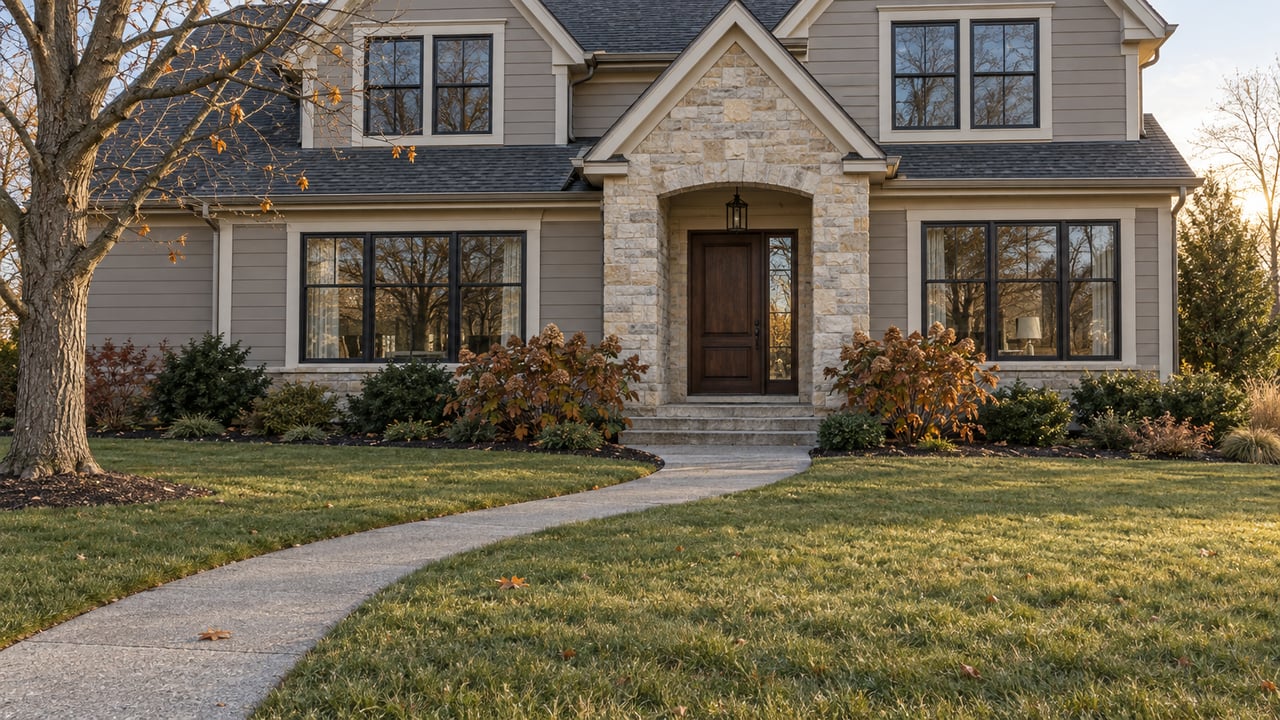
New construction usually appeals to buyers who want a more tailored home, newer systems, and less immediate maintenance pressure. According to the National Association of Realtors, buyers may be able to personalize layout, levels, exterior details, and in some cases interior finishes like flooring, lighting, tile, countertops, cabinets, and vanities. That level of control can be hard to match with an existing home.
At the same time, building new is usually the longer and more process-heavy route. The city requires plans to be reviewed and approved before construction begins, and homes then move through inspections such as footing, foundation, slab, rough-in, and final inspection before a Certificate of Occupancy is issued. You can review the city process through Building Permits & Applications.
NAR also notes that custom-home design often takes 3 to 6 months, while construction itself typically lasts at least 12 to 16 months, with possible delays. If you want a faster version of new construction, stock plans or spec homes may shorten the timeline while still allowing some design choices if the home is early enough in the build process. For buyers with a strict move date, that distinction is important.
Resale home basics
A resale home is usually the faster path. The home already exists, and NAR identifies move-in readiness as a major advantage of existing homes. If you need to relocate soon, align with a lease deadline, or simply want fewer unknowns in the process, resale often makes that easier.
Resale homes can also offer more variety in location, lot size, and overall feel. NAR notes that existing homes often provide lower-priced options, established neighborhoods, mature landscaping, and opportunities to add value through updates or remodeling. The tradeoff is that you may face more repairs, less personalization, and features that reflect an older floor plan or less efficient components.
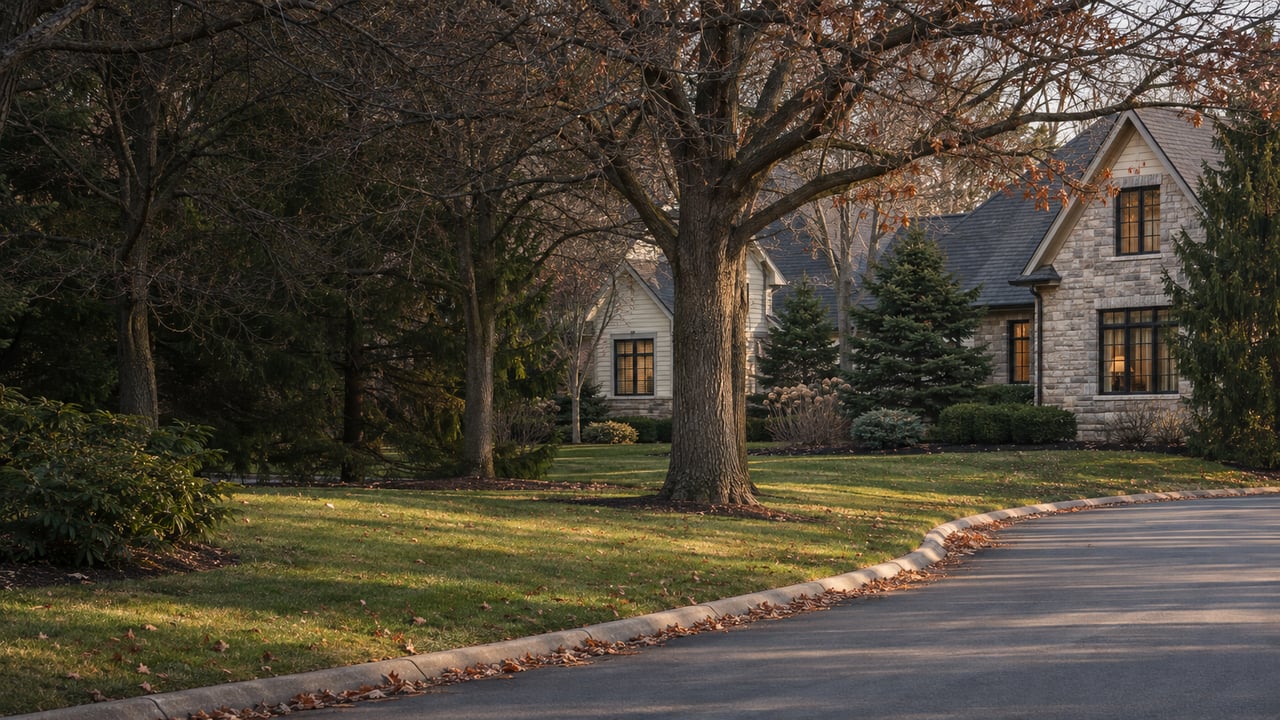
In Noblesville, that can be especially meaningful near the older parts of town. The area around the historic square, county courthouse, and cultural arts district includes older sections along 8th Street and homes along Conner and Logan with late-19th-century styles, along with post-World War II neighborhoods closer to the center. According to Visit Hamilton County’s overview of Noblesville Square, those areas are more likely to offer established streets, older character, and mature trees than the newest subdivisions.
Timeline: Which gets you home faster?
If speed is your top priority, resale usually wins.
A resale purchase can often move on a standard transaction timeline because the house is already built and typically ready for occupancy after closing. There are still inspections, financing steps, and negotiations, but the path is far more predictable than a full build.
New construction comes with more moving parts. Between city approvals, construction phases, inspections, and the final Certificate of Occupancy, the process can stretch well beyond what many buyers first expect. Even if a builder gives you an estimated completion date, you should still plan for flexibility.
Customization: How much control do you want?
If personalization matters most, new construction has the edge.
Depending on the builder and stage of construction, you may be able to choose structural elements, layout options, exterior selections, and interior finishes. For buyers who have a clear design vision, that can make the purchase feel more intentional from the start.
With resale, you are usually buying someone else’s design choices. That is not always a negative. Some buyers would rather update paint, flooring, lighting, or kitchens over time than make dozens of selections up front during a build.
Maintenance and warranty expectations
New homes often offer a lighter maintenance load in the early years, but it is smart to understand exactly what is and is not covered.
The Federal Trade Commission explains that builder warranties are usually limited warranties tied to workmanship and materials for specific components. One year is common for many items, some coverage extends to two years, and some builders offer up to 10 years for major structural defects. The FTC also notes that service contracts or separate home warranties are different products and may cost extra. You can review those details in the FTC’s guide to warranties for new homes.
Resale homes may come with more near-term maintenance or replacement needs, especially for items like roofing, HVAC systems, windows, or aging finishes. That does not make resale a poor choice. It simply means you should budget for updates and inspections with a clear eye on condition.
Neighborhood feel and lot differences
One of the biggest lifestyle differences between new and resale homes is often the setting around the house, not just the house itself.
An archived NAR article notes a general pattern many buyers recognize: older homes often come with larger lots and more mature trees, while new homes are often built closer together on smaller lots and frequently farther toward the edges of a market. That is not a hard rule in every case, but it is a helpful way to set expectations.
In Noblesville, city planning rules also shape how neighborhoods feel. Because zoning and planned development standards regulate character, density, and building size, newer neighborhoods may feel more consistent in layout and design. Older areas may offer more variation from one property to the next, which some buyers see as charm and others see as less predictability.
A key Noblesville nuance: New is not always outer suburb
This is where Noblesville stands out.
Many buyers assume new construction always means a subdivision far from the historic core. In Noblesville, that is not always true. The city’s housing growth includes not only traditional newer neighborhoods but also downtown-adjacent redevelopment and mixed-use projects.
For example, The Granary is a downtown-adjacent mixed-use project on a former milling site with 225 apartment units, trailhead access, and architecture intended to complement the historic area. The city also highlights the West Gateway Master Plan, a 424-acre area just west of traditional downtown intended to create a walkable district over the next 15 to 20 years. For buyers, that means "new" in Noblesville can describe more than one lifestyle.
Financing differences to think through
Financing can also affect your decision.
NAR explains that custom builds may require construction loans, which are generally short-term, may involve interest-only payments during construction, and often require detailed plans, budgets, and timelines. That process can feel more complex than financing an existing home. It is manageable, but it requires preparation and patience.
Resale financing is often more familiar and straightforward for buyers because the home is complete and the closing timeline is better defined. If you want fewer financing variables, resale may feel more comfortable.
Which option fits your priorities?
The right choice usually becomes clearer when you focus on your top priorities, not just the home itself.
New construction may fit you best if you:
- Want newer systems and finishes
- Value personalization and design choices
- Can handle a longer or less predictable timeline
- Prefer lower early maintenance pressure
- Are open to builder processes, inspections, and phased completion
Resale may fit you best if you:
- Need to move on a faster timeline
- Prefer an established setting with mature landscaping
- Want more location variety near older parts of Noblesville
- See opportunity in cosmetic updates or renovations
- Prefer a more predictable purchase process
How to make a smart Noblesville decision
In Noblesville, this decision is rarely just about whether a house is old or new. It is about how you want to live, how quickly you need to move, and how much time and energy you want to spend on customization, upkeep, and process.
A well-chosen new construction home can give you modern design, a fresh start, and fewer early repairs. A well-chosen resale home can give you speed, established surroundings, and the chance to buy into a part of Noblesville with a different rhythm and feel. The better option is the one that lines up with your timeline, budget, and day-to-day priorities.
If you want help comparing new construction and resale opportunities in Noblesville, connect with Estansion Group by BLP. We bring a consultative, data-informed approach so you can weigh your options clearly and move forward with confidence.
FAQs
Is new construction in Noblesville always farther from downtown?
- No. While some new housing is in newer suburban-style developments, Noblesville also has downtown-adjacent redevelopment and mixed-use projects such as The Granary.
Is a resale home usually faster to buy in Noblesville?
- Yes. Resale homes are generally the quicker path because the home already exists and is often move-in ready, while new construction requires approvals, inspections, and final occupancy sign-off.
Do new homes in Noblesville come with warranties?
- Often, yes, but coverage varies. The FTC says builder warranties are usually limited warranties for specific components, with one year common for many items and some longer structural coverage.
Are resale homes in Noblesville more likely to have mature trees and older character?
- In many cases, yes. Older areas closer to Noblesville’s historic core are more likely to offer established streets, mature landscaping, and older home styles than the newest developments.
Is new construction better than resale for customization in Noblesville?
- Usually, yes. New construction often gives you more ability to choose layouts and finishes, especially if you enter the process early enough in the build timeline.