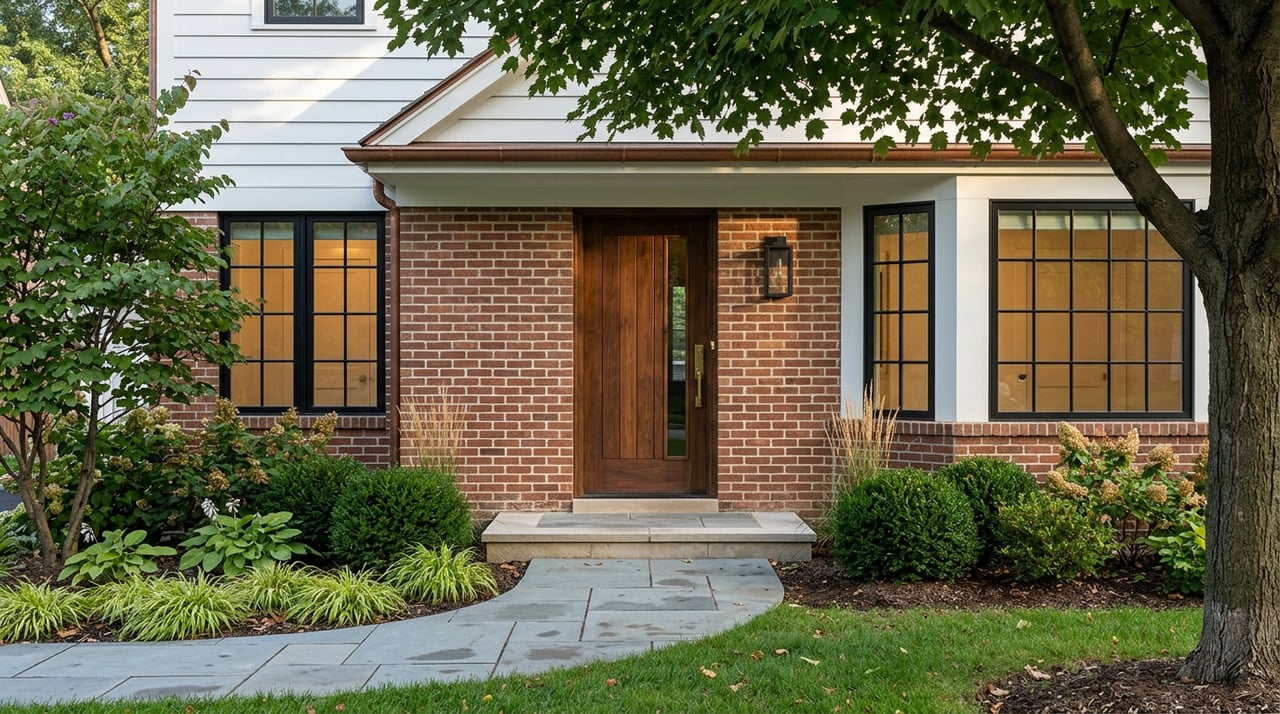
Thinking about trading up in Zionsville? You are not alone, but this move is about much more than finding a bigger kitchen or an extra bedroom. In a market where many homes are listed in the upper $600,000s to mid $700,000s and homes can move quickly, the real challenge is lining up timing, equity, and financing so your next step feels confident, not rushed. This guide will help you understand how to plan the move, what numbers matter most, and how to avoid common missteps before you start touring homes. Let’s dive in.
Why trading up in Zionsville takes planning
Zionsville is an active, high-priced market by current standards. As of late April 2026, Zillow's 46077 data showed a typical home value of $684,807, a median list price of $734,633, a median sale price of $629,583, and homes going pending in about 10 days. Realtor.com's April 2026 city snapshot showed 173 homes for sale, a median listing price of $699,900, a median sold price of $603,125, median days on market of 35, and a sale-to-list ratio of 100%.
Those numbers come from different sources with different methods, so it is smarter to use them as a planning range instead of a single hard target. Still, the takeaway is clear: if you want a larger home in Zionsville, your budget, your equity, and your timing all matter. A move-up purchase here is usually not something you want to approach casually.
Start with your real budget
Before you look at homes, get clear on what you can comfortably afford. That means looking beyond the future purchase price and focusing on the full cash picture. Your down payment is only one piece of the equation.
You should also plan for closing costs, which the Consumer Financial Protection Bureau says typically run about 2% to 5% of the home price. On top of that, you may need earnest money, moving costs, repairs, updates, or furniture for a larger space. Fannie Mae notes that earnest money is commonly around 1% to 3% of the offer price.
Mortgage rates also affect your monthly payment in a big way. Freddie Mac reported a 30-year fixed average of 6.37% on May 7, 2026, which means payment planning matters just as much as purchase price. If you are moving up from a home you bought years ago, your existing equity may be one of your biggest tools.
Focus on net equity, not sale price
A lot of homeowners start by guessing what their current home might sell for. That is helpful, but it is not the number that should drive your plan. What really matters is the amount left after your mortgage payoff and selling costs.
Fannie Mae explains that sale proceeds are used to pay off the current mortgage and other sale costs. In practical terms, your move-up budget should be based on net equity, not the gross headline sale number. That one shift can make your planning far more accurate.
Why preapproval should come early
If you need financing for your next purchase, preapproval is one of the first steps to take. The CFPB says a preapproval letter helps show sellers you are a serious buyer, and some sellers may expect one before accepting an offer. In a competitive market, that matters.
Preapproval also helps you understand your actual buying power before you fall in love with a home. It gives you a better view of your likely payment range and helps you make faster decisions when the right property hits the market. That kind of clarity is especially useful when homes can go pending quickly.
Watch the timing on your letter
Preapproval is not something you get once and forget. The CFPB notes that preapproval letters can expire in 30 to 60 days. If your timeline stretches out, you may need to refresh paperwork or update your approval before making an offer.
That is why move-up buyers often do best when preapproval lines up with a realistic home search window. You want your financing steps to support your timing, not create extra scrambling later.
Sell first or buy first?
This is one of the biggest questions move-up buyers face. There is no single answer for every household, but the right choice usually depends on your finances, your flexibility, and how hard your next home will be to replace.
The CFPB says people who are moving will normally try to sell their current home first before buying another one. That route can lower the risk of carrying two homes at once, and it lets you base your next move on actual proceeds instead of rough estimates.
Buying first can still make sense in some cases, especially if the right replacement home is hard to find. But lenders still look closely at your income, assets, employment, savings, monthly debts, credit report, and credit score. If the main issue is a short gap between closings, the CFPB recognizes temporary bridge loans of 12 months or less used to buy a new home while planning to sell the current one.
Sell first: the lower-risk path
Selling first usually gives you the cleanest numbers. You know what your home sold for, what your net proceeds are, and how much you can roll into the next purchase. That can reduce stress and help you shop with confidence.
This path can also protect you from overlap risk. If your current home takes longer to sell than expected, you are less likely to be juggling two mortgage payments, two utility bills, and two move timelines.
Buy first: useful, but more complex
Buying first may help when inventory is tight or when the kind of home you want does not come up often. It can give you more control over finding the right fit instead of rushing after your sale. But it also raises the stakes if your current home does not sell quickly.
That is why buyers taking this route need a very clear plan for cash, financing, and timing. In Zionsville's price range, small mistakes can become expensive ones.
How contingent offers fit in
In a move-up purchase, your offer may depend on the sale of your current home. Fannie Mae notes that offers commonly include contingencies, earnest money, and timing details such as an expiration date and proposed closing date. These terms help define what needs to happen and when.
A contingent offer is usually strongest when your current home is already listed, priced realistically, and moving toward a likely sale. In a market where homes can move fast, sellers often want confidence that your timeline is real. The more prepared you are, the stronger your position can be.
Prepare your current home before getting serious
If your plan depends on selling your current home, do not wait too long to prepare it for the market. Fannie Mae notes that the longer a home stays on the market, the harder it can become to sell. That makes early preparation important.
In practical terms, that means getting your pricing strategy, presentation plan, and likely timing in place before you get deep into shopping for your next property. A polished listing and realistic pricing can support a smoother transition from one home to the next.
Spring can help, but local timing matters more
National seasonality still offers a useful backdrop. Realtor.com's 2026 Best Time to Sell report identified April 12 through 18 as the best week nationally to list, reinforcing that spring is often the strongest selling window.
But that should be treated as broad context, not a rule for every Zionsville seller. Your ideal timing still depends on current local inventory, buyer demand, and the availability of the type of home you want to buy next.
Do not forget Indiana property tax details
When you move into a larger home, your ongoing costs may rise beyond your mortgage payment. In Boone County, property tax rules matter because a higher assessed value can lead to higher taxes.
Boone County states that homestead property is capped at 1% of gross assessed value, while other residential property and farmland are capped at 2%, and other real and personal property are capped at 3%. Voter-approved referendum charges are outside those caps. Boone County also notes that a homestead deduction must be on file.
Understand the homestead deduction
Boone County defines homestead as your principal place of residence, including the dwelling and surrounding acre. The Indiana Department of Local Government Finance explains that deductions reduce assessed value, and county auditors are the best point of contact for eligibility questions.
You generally do not need to reapply every year unless the property is sold or the title changes. Boone County also says that if a property no longer qualifies, a notice of change of use should be filed with the county auditor within 60 days. If you move after the assessment date to a new principal residence later in the year, the deduction on the first property can stay in place for that tax cycle while the new property may also qualify.
Home-sale taxes may affect your next move
If you have owned your current home for a long time, federal home-sale tax treatment may matter. IRS Topic 701 says eligible homeowners may exclude up to $250,000 of gain, or up to $500,000 for many married couples filing jointly, when selling a main home. Publication 523 explains the ownership and use rules behind that exclusion.
This does not affect every move-up seller the same way, but it is worth understanding early if your home has appreciated substantially. A quick review before listing can help you avoid surprises when you estimate proceeds.
A smarter way to trade up in Zionsville
Trading up is really a coordination exercise. You are balancing your current home value, your mortgage payoff, your likely net equity, your financing, and the timing of two major transactions at once. In a market like Zionsville, that kind of planning can make the difference between a smooth move and a stressful one.
The strongest move-up plans usually start the same way: get preapproved, estimate net proceeds realistically, prepare your current home well, and map out whether selling first or buying first makes more sense for your situation. When you know your numbers and your options, it becomes much easier to move with confidence.
If you are thinking about trading up to a larger home in Zionsville, Estansion Group by BLP can help you build a clear, data-driven plan for both sides of the move.
FAQs
What does trading up to a larger home in Zionsville usually cost?
- Current market data suggests many move-up purchases in Zionsville will fall around the upper $600,000s to mid $700,000s and higher, though exact pricing depends on the property and source methodology.
Should you sell your current home before buying in Zionsville?
- Often, yes. The CFPB says people normally try to sell first before buying another home because it lowers overlap risk and lets you plan around actual proceeds.
How much cash do you need to trade up to a larger home?
- In addition to your down payment, you should budget for closing costs of about 2% to 5% of the home price, earnest money that is often 1% to 3% of the offer price, plus moving and setup costs.
Why is preapproval important for a Zionsville move-up purchase?
- Preapproval helps show sellers you are a serious buyer, clarifies your budget, and can help you move faster when the right home becomes available.
How do Boone County homestead rules affect a move in Zionsville?
- If the home is your principal residence, the homestead rules and deduction may affect your property tax treatment, so it is important to confirm eligibility and filing details with the Boone County Auditor.