If your Carmel home already has strong architecture, quality finishes, and a great address, you might wonder whether staging really makes a difference. In a market where buyers expect polished presentation and move quickly when a home feels right, the answer is often yes. The right staging strategy helps your home photograph better, feel more intentional in person, and support stronger buyer perception from the start. Let’s dive in.
Why staging matters in Carmel
Carmel is not a one-size-fits-all market. U.S. Census QuickFacts show a median household income of $141,505, a median owner-occupied home value of $486,800, a 74.3% owner-occupied housing rate, and a highly educated population, with 74.4% of adults age 25 and older holding a bachelor’s degree or higher.
That context matters because buyers in this market often notice design quality, flow, and finish consistency right away. Carmel also highlights places like City Center, the Arts & Design District, and the Monon Greenway as part of its walkable, design-conscious identity, which raises the bar for how a home should look and feel when it hits the market.
Staging helps bridge the gap between a home that is simply well built and one that feels market-ready. According to the National Association of Realtors 2025 Profile of Home Staging, 83% of buyers’ agents said staging makes it easier for buyers to visualize a home as their future home.
In Central Indiana, presentation still matters even in a market with healthy demand. MIBOR’s March 2025 report showed a median sales price of $305,000 across central Indiana, median days on market of 12, and homes selling at 98.2% of asking price on average, while active inventory was up 17.9% year over year. In a faster market with more inventory, a polished first impression can help your home stand out.
What staging can do for sellers
Staging is not about making your house look trendy or overdecorated. It is about helping buyers understand the scale, function, and lifestyle potential of the space without distraction.
NAR reported that among sellers’ agents who used a staging service, 19% saw a 1% to 5% increase in offered value and 10% saw a 6% to 10% increase. Another 30% reported slight decreases in time on market.
Those numbers do not guarantee an outcome, but they support a practical point. In Carmel, where presentation-sensitive buyers may compare several high-end homes at once, staging can support price perception and reduce the chances that your listing feels flat online or underwhelming in person.
Start with the rooms that matter most
If you want the best return on your time and budget, focus on the rooms buyers notice first. NAR found that the most commonly staged rooms were the living room, primary bedroom, dining room, and kitchen.
For a luxury home in Carmel, these spaces do more than show function. They communicate proportion, quality, and flow, which are often the details that shape a buyer’s emotional response.
Living room
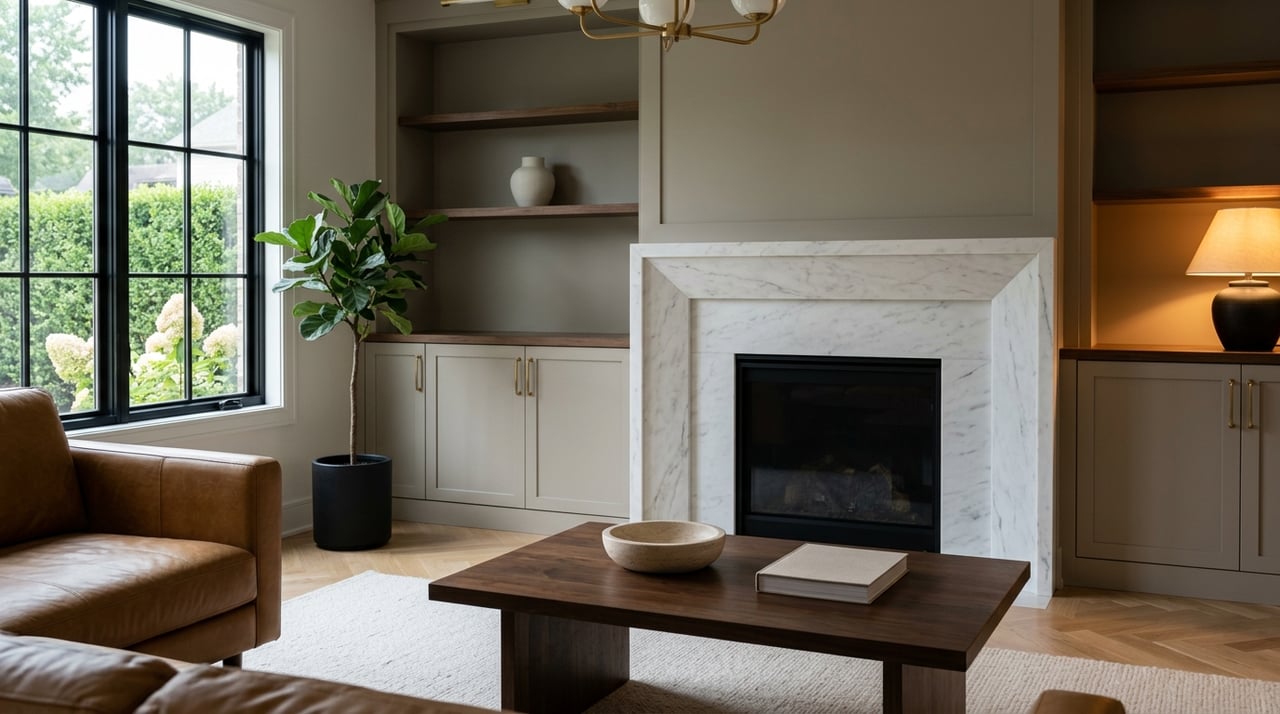
Your living room should show space, not storage. Use fewer, better-scaled pieces so the room feels open and deliberate, with walkways that are easy to follow and seating that supports conversation.
Layered lighting also matters here. If the room has built-ins, fireplaces, large windows, or ceiling details, staging should support those features instead of competing with them.
Primary bedroom
The primary bedroom should feel calm, finished, and restful. That usually means removing extra furniture, reducing visual clutter, and using a restrained palette that lets the room feel larger and more refined.
Well-balanced nightstands, simple bedding, and clear surfaces tend to read better than highly personal styling. The goal is to make the room feel elevated without making it feel cold.
Dining room
In many luxury homes, the dining room helps define the overall tone of the interior. It should feel intentional, especially if it connects to a foyer, hallway, or open living area.
A properly scaled table, balanced lighting, and clean sightlines can make the room feel more architectural. If the space is awkward or underused, staging can clarify its purpose quickly.
Kitchen
The kitchen is one of the highest-impact rooms in any listing. Buyers tend to notice counter clutter, poor lighting, and mismatched styling immediately, especially in higher-end homes.
Clear the surfaces, keep only a few tasteful accents, and make sure every finish feels clean and coherent. If your kitchen has quality materials or custom details, staging should help buyers notice them faster.
Curb appeal sets the tone
Before buyers see your interior, they see your exterior. NAR’s staging-related recommendations most often include decluttering, deep cleaning, improving curb appeal, making minor repairs, touching up paint, depersonalizing, and using professional photography.
In Carmel, exterior presentation carries extra weight because the city’s public spaces and streetscapes reinforce a polished visual standard. A luxury home should feel crisp from the curb, with tidy landscaping, clean hardscapes, working exterior lights, and an entry that feels calm rather than crowded.
Focus on the front entry
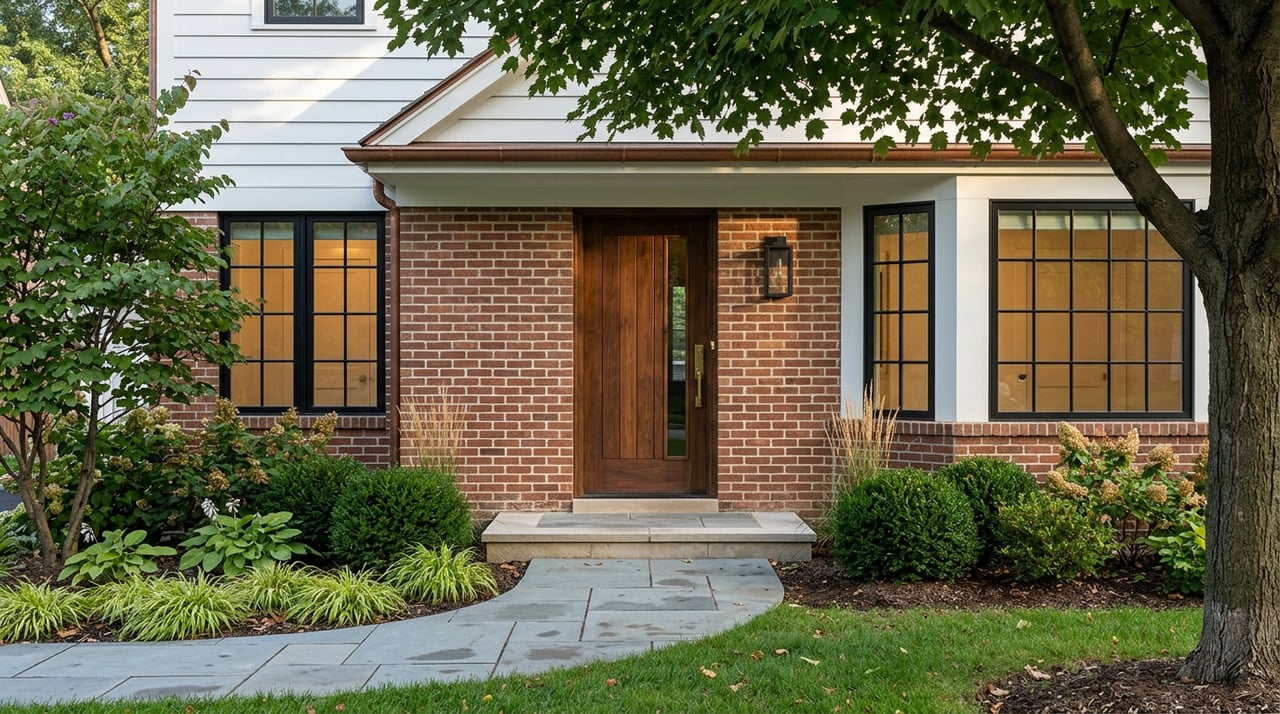
Your front door area should feel welcoming and intentional. That means clean glass, fresh paint if needed, a neat porch, and decor that is minimal rather than busy.
This area often appears in listing photos and shapes the first in-person impression. If the entry feels neglected, buyers may start looking for other signs of deferred maintenance before they even step inside.
Do not overlook secondary spaces
Once the main rooms are dialed in, secondary spaces still deserve attention. Buyers often arrive with strong expectations about what their ideal home should include, and unfinished-looking rooms can create hesitation.
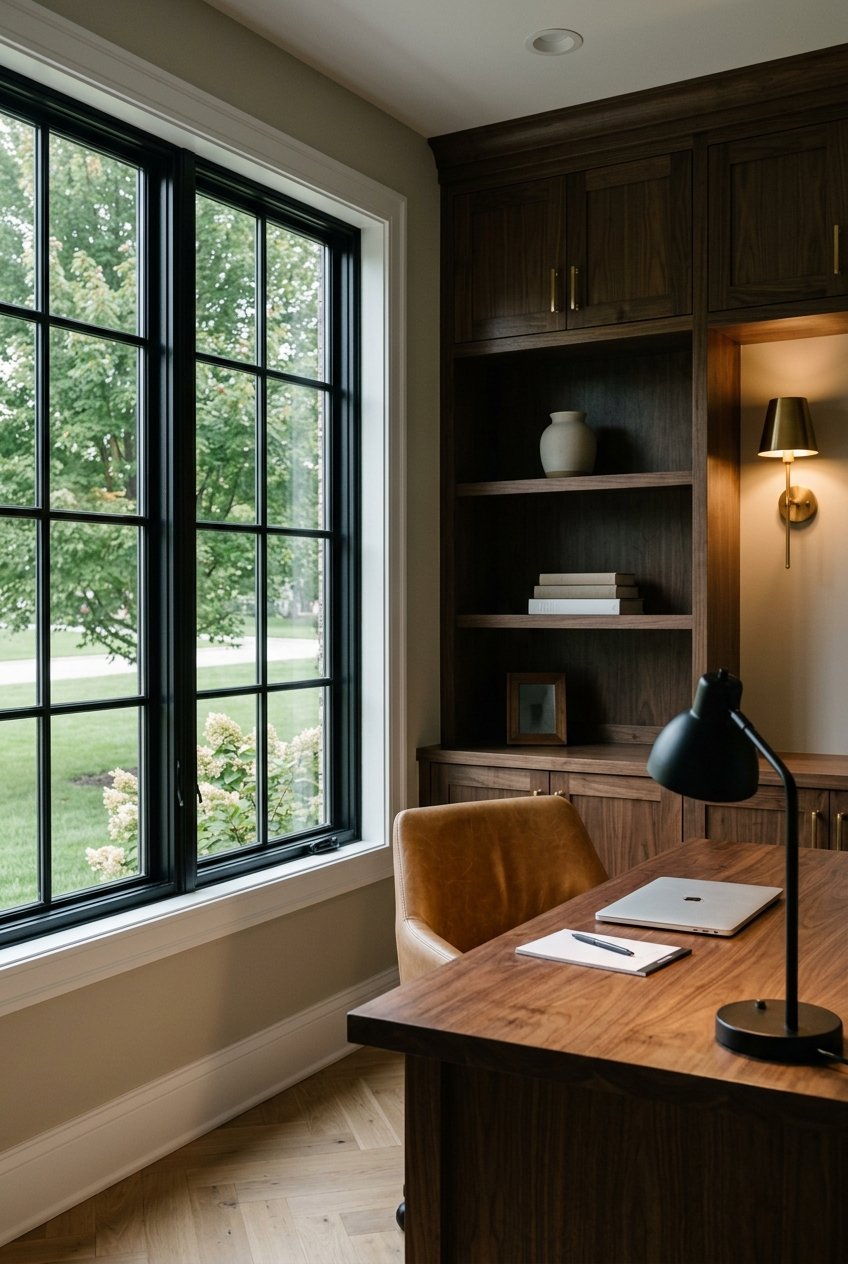
Home offices, guest rooms, bathrooms, and flexible bonus areas should each have a clear purpose. Even simple staging can help a buyer understand how the space works and how it fits into daily life.
Outdoor living matters in Carmel
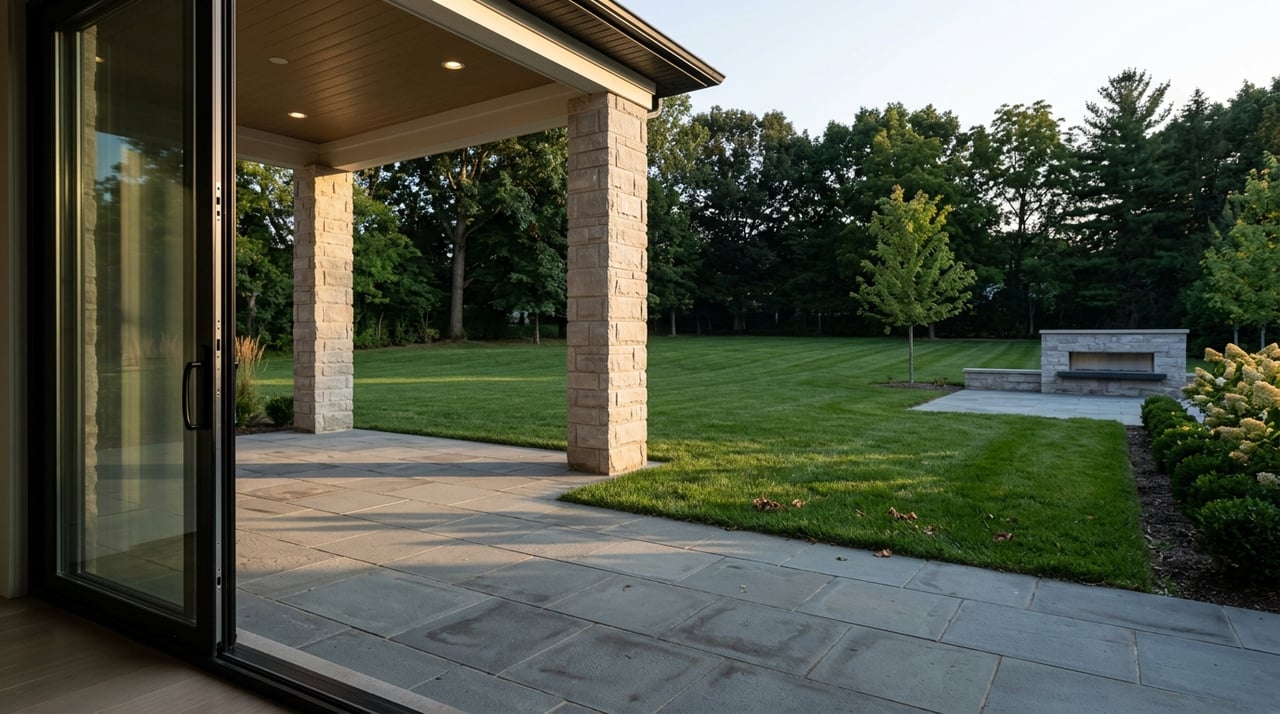
Outdoor areas should read as an extension of the home, not leftover square footage. In a city known for its connected districts and active outdoor lifestyle, patios, porches, and backyards can support the overall story of the property.
Simple seating, clean surfaces, and thoughtful layout go a long way. The goal is to show usability and comfort, not to overload the space with furniture or accessories.
Physical staging usually works better
For luxury listings, physical staging should be your primary tool. NAR’s 2025 findings showed that buyers’ agents placed more importance on photos, videos, traditional physical staging, and virtual tours than on virtual staging alone.
Virtual staging can still help in limited situations, but it is usually not enough for a higher-end listing. Buyers want the online experience and the in-person experience to feel aligned, especially when expectations are high.
That is why professional media should come after the home is fully prepared. Once staging, repairs, cleaning, and exterior work are complete, photography and video can capture the property at its best.
What a smart staging budget looks like
Many sellers assume staging has to be expensive to be effective. In reality, NAR reported a median spend of $1,500 among sellers’ agents who used a staging service, though actual cost varies based on home size and scope.
For a Carmel luxury home, the better question is not just how much staging costs. It is whether your spending is directed toward the areas that influence buyer perception most.
A focused budget often delivers better results than trying to stage every corner at once. Start with the priority rooms, curb appeal, and professional media, then expand into secondary spaces if needed.
How to choose the right stager
Not all staging is equal, especially in a luxury segment. NAR found that when sellers’ agents used a staging service, the median number of bids received was two, and the most important selection factors were design quality and price.
In Carmel, design quality matters because buyers often respond to finish coherence and scale. A strong stager should know how to edit a home so it feels elevated and warm, not empty or overly styled.
Look for someone who understands:
- Upscale furnishings and proper scale
- How spaces will photograph
- How to highlight architecture and materials
- When to simplify instead of adding more
- How to create consistency from room to room
A practical pre-listing staging timeline
If you plan to list in the next one to six months, sequence matters. The best photos happen when the prep work is already done, not while the home is still mid-project.
A practical order for most Carmel sellers looks like this:
- Handle repairs, touch-up paint, deep cleaning, and decluttering
- Tidy landscaping and improve curb appeal
- Depersonalize and simplify room contents
- Stage the living room, primary bedroom, dining room, and kitchen first
- Stage secondary rooms and outdoor areas as needed
- Schedule photography and video only after the home is fully ready
This approach aligns with what agents most often recommend and fits the pace of the current central Indiana market. When homes are moving quickly, preparation before launch becomes even more important.
The Carmel advantage is presentation
Luxury homes in Carmel often start with real strengths. You may already have quality construction, a strong location, spacious rooms, and high-end finishes.
Staging helps those strengths read clearly to the market. It removes friction, sharpens the visual story, and gives buyers a cleaner path to seeing value in your home.
If you are preparing to sell, the goal is not to make your home look like someone else’s. It is to present your home in a way that feels refined, intentional, and ready for the expectations of Carmel buyers.
When that happens, your listing has a better chance to stand out online, show well in person, and compete from a position of confidence. If you want a principal-led strategy for pricing, presentation, and launch timing, Estansion Group by BLP can help you prepare your Carmel home for market with a clear plan.
FAQs
Is home staging worth it for luxury sellers in Carmel?
- Yes. NAR’s 2025 staging data found that 83% of buyers’ agents said staging helps buyers visualize a home, and some sellers’ agents reported stronger offered value and slightly less time on market.
Which rooms should Carmel sellers stage first?
- Start with the living room, primary bedroom, dining room, and kitchen. These were the rooms most often staged in NAR’s 2025 report and usually have the biggest impact on buyer perception.
How much does home staging cost in Carmel?
- NAR reported a median spend of $1,500 for a staging service among sellers’ agents, though actual cost varies based on the size of the home and how much staging is needed.
Is virtual staging enough for a Carmel luxury listing?
- Usually not. NAR found that buyers’ agents place more importance on photos, videos, physical staging, and virtual tours than on virtual staging alone.
When should you stage a Carmel home before listing?
- A good timeline is to complete repairs, cleaning, decluttering, and exterior work first, then stage the key rooms, and schedule photography only after the home is fully ready.
Why does curb appeal matter so much in Carmel?
- Carmel’s design-forward public spaces and polished streetscapes raise buyer expectations. A clean exterior, tidy landscaping, and a welcoming front entry help set the right tone before buyers even walk inside.