What makes one Zionsville home sell faster or higher than another? In a market as desirable as Zionsville, small location and property details can have an outsized impact on value and time to sale. If you are planning to buy or sell, it helps to understand the micro-factors that consistently move the needle.
In this guide, you will learn how lot size, architectural quality, proximity to The Village, trail access, and Boone County property taxes influence value. You will also see what to verify before you price or write an offer. Let’s dive in.
Zionsville market at a glance
Zionsville sits on the northwest edge of greater Indianapolis and is considered an upper-tier suburban market with a strong draw for amenities and community character. Buyer demand is shaped by Zionsville Community Schools, The Village’s shops and restaurants, and convenient access to downtown Indianapolis.
Broader market conditions matter too. Mortgage rates, credit availability, and local inventory levels affect both affordability and negotiating power. For current population and household data, consult U.S. Census QuickFacts. For neighborhood-level pricing, rely on recent closed sales from a local MLS analysis.
Lot size and land type
Why it matters: In Zionsville, land is a core value driver. Larger lots often command a premium for privacy, space for amenities, and buildable area. Smaller lots near The Village can also carry a premium because of walkability and convenience.
What to look at:
- Compare price per square foot or per acre within the same neighborhood.
- Distinguish total acreage from usable acreage. Wetlands, floodplain, and steep slopes can limit use.
- Review zoning and covenants for minimum lot size, accessory structures, and permitted uses. Start with the Town of Zionsville planning and zoning resources.
Buyer and seller tips:
- Sellers: Document usable acreage, note any easements, and disclose septic or well details where applicable.
- Buyers: Budget for higher maintenance and potential tax differences on larger parcels, and verify any recorded easements during due diligence.
Architectural quality and condition
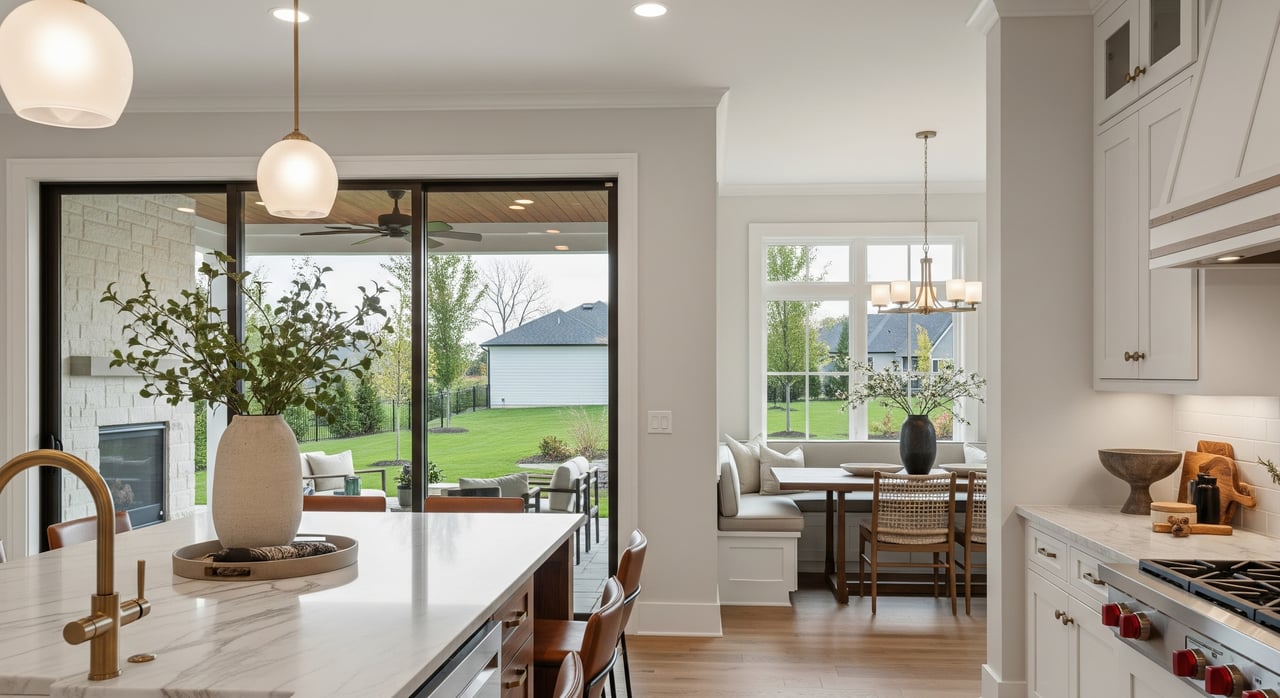
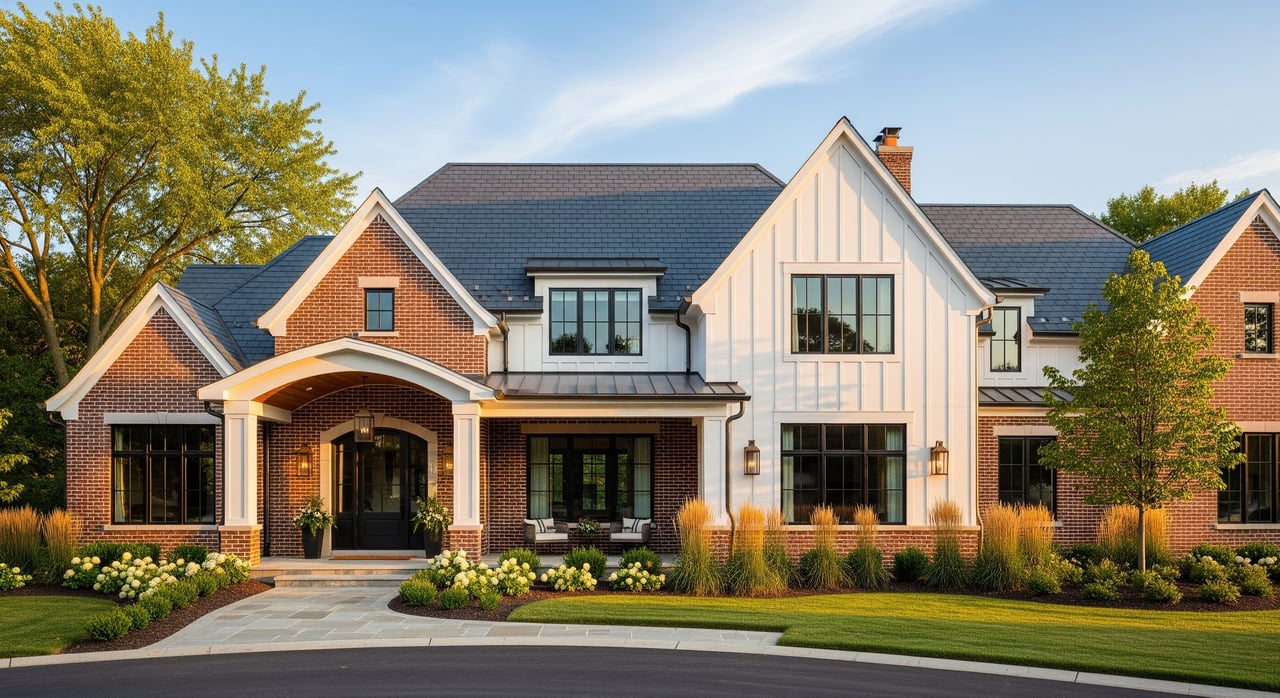
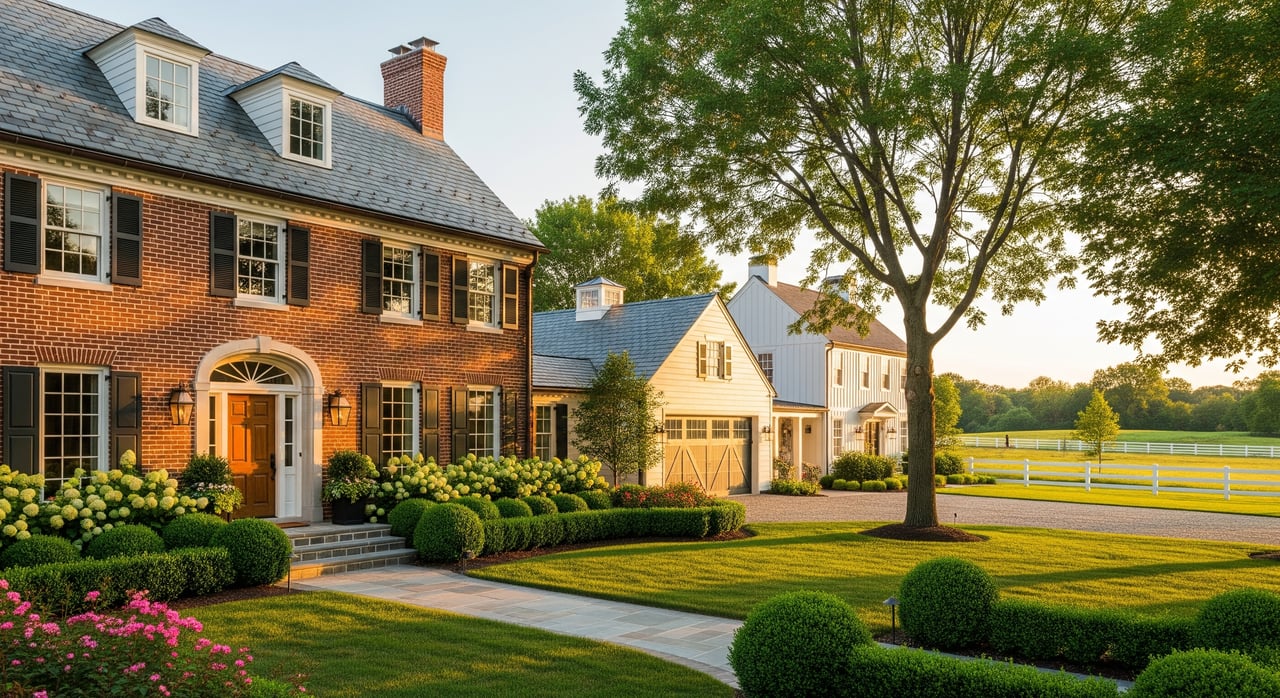
Why it matters: Style, materials, craftsmanship, and overall condition influence both buyer appeal and replacement cost. Floor plan flow, ceiling height, natural light, and garage capacity are frequent decision points for Zionsville buyers.
Where to invest: Kitchens, the primary bathroom, curb appeal, and addressing deferred maintenance tend to offer the strongest return on investment locally. If the property is in or near The Village, check whether any historic or design guidelines apply through the Town of Zionsville.
Practical note: When comparing comps, adjust for original vs. remodeled condition, quality of finishes, and functional features like bath-to-bedroom ratio.
Proximity to The Village
Why it matters: The Village is the social and commercial heart of Zionsville, with restaurants, boutiques, and year-round events. Walkability to The Village often boosts buyer demand and supports a pricing premium relative to similar homes farther out.
How to measure: Compare recent closed sales within the walk-shed to nearby neighborhoods with similar home types. For lifestyle context, browse events and merchant listings through the Zionsville Chamber of Commerce, and use Walk Score’s Zionsville page to gauge walkability.
Market nuance: The Village area includes a mix of historic homes and newer infill. Buyers focused on convenience and character often compete more aggressively for properties close to Main Street.
Trail access and greenspace connectivity
Why it matters: Zionsville’s network of municipal trails, rail-trail segments, and neighborhood paths enhances recreation and everyday walkability. Homes with direct trail access or adjacency to greenspace often see stronger demand and faster sales.
How to present it:
- Sellers: Highlight actual access points, connections to schools or The Village, and approximate walking times.
- Buyers: Confirm trail proximity and planned expansions with the Town of Zionsville Parks resources, and compare similar homes with and without trail access when reviewing comps.
Boone County property tax basics
Why it matters: Property taxes shape monthly carrying costs and can influence both affordability and negotiating power. In Boone County, total tax includes county, township, municipal, school, library, and possible special district levies.
Key pieces to verify:
- Assessed value and property card details from the Boone County Assessor.
- Most recent tax bill and payment schedule from the Boone County Treasurer.
- State-level rules, deductions, and circuit breaker caps through the Indiana Department of Local Government Finance.
Pro tip: Taxing districts can vary even within Zionsville. Always review the specific parcel’s bill rather than estimating from a neighbor’s.
Other factors that move the needle
- School district context: Zionsville Community Schools are a significant demand driver for many buyers. For objective information, review district resources and boundaries at Zionsville Community Schools and state report cards via the Indiana Department of Education.
- Commute and access: Proximity to I-465 and US-421 and typical commute times to downtown Indianapolis influence buyer pools, especially for hybrid workers.
- New construction and lot supply: Builder activity can set a price floor for newer neighborhoods and shape resale expectations nearby.
- Zoning, covenants, and HOA rules: Use restrictions and design guidelines affect usability, renovations, and carrying costs. Start with the Town of Zionsville planning pages and HOA documents.
- Floodplain and environmental constraints: Verify FEMA maps for flood risk and consider wetlands or drainage factors that reduce buildable area. Check the FEMA Flood Map Service Center.
- Utilities and septic/well: Confirm availability of public sewer and water, and understand inspection and maintenance requirements for well and septic systems.
How to verify value for a specific property
Use this simple checklist before pricing or writing an offer:
- Pull neighborhood comps
- Focus on closed sales from the last 3 to 6 months in the same subdivision or walk-shed. Match lot size, age, bed/bath count, and condition.
- Confirm taxes and special assessments
- Retrieve the parcel’s assessed value and most recent bill from the Boone County Assessor and Treasurer. Note any exemptions or unusual levies.
- Review zoning and HOA rules
- Check permitted uses, setback requirements, and any overlay districts with the Town of Zionsville. Request recorded covenants and HOA budgets from the seller or HOA manager.
- Validate schools and boundaries
- Confirm school assignments and review district information at Zionsville Community Schools and the Indiana Department of Education.
- Assess walkability and trails
- Map walking distance to The Village and parks. Use Walk Score’s Zionsville page and the Town’s parks resources to verify access.
- Check environmental items
- Review the FEMA Flood Map Service Center. Consider a site survey or engineer review if the lot shows floodplain or wetlands.
Pricing and prep tips for sellers
- Lead with data: Use 6 to 8 recent comps that mirror your lot, location, and condition. Highlight features that justify a premium, like trail adjacency or Village walkability.
- Fix first impressions: Address deferred maintenance, refresh landscaping, and ensure clean, neutral staging. Buyers decide quickly.
- Invest where buyers care: Kitchens and primary baths usually matter most. Keep improvements cohesive with the home’s architecture and neighborhood.
- Be tax-ready: Provide the latest tax bill, note any exemptions, and list known special assessments. This builds trust and speeds decisions.
Buying smart in Zionsville
- Define your value priorities: Lot privacy, walkability to The Village, trail access, or newer construction. Use these to guide trade-offs.
- Model total monthly costs: Include principal, interest, taxes, insurance, and HOA dues. Verify the current tax bill early in your process.
- Use neighborhood comps: If inventory is tight, expand your search slightly but keep core attributes aligned before adjusting price expectations.
- Plan for due diligence: Appraisal, survey, utility confirmations, and any preservation or HOA approvals that may affect your plans.
Work with a local, principal-led team
If you want a pricing strategy grounded in neighborhood-level comps and a plan that showcases what buyers value most in Zionsville, our team can help. We combine high-touch listing presentation with practical, investor-grade execution. Connect with Estansion Group by BLP to get a data-backed valuation or to refine your search strategy.
FAQs
What affects home value the most in Zionsville?
- Lot size and usability, architectural quality and condition, proximity to The Village, trail access, and property tax implications are the primary drivers.
How do property taxes vary within Zionsville and Boone County?
- Tax bills vary by assessed value and taxing district, so verify the parcel’s assessment with the Boone County Assessor and the latest bill with the Treasurer.
Does walking distance to The Village boost resale value?
- Many buyers prioritize Village convenience, and comparable sales often show stronger demand and pricing for homes within that walk-shed.
How can I check if a Zionsville home is in a floodplain?
- Search the address on the FEMA Flood Map Service Center to see flood zones, then consult a surveyor or engineer if you need site-specific confirmation.
Which renovations usually deliver the best return in Zionsville?
- Updates to the kitchen and primary bathroom, curb appeal improvements, and repairs that eliminate deferred maintenance tend to have the strongest impact.
How do schools influence buyer demand in Zionsville?
- Many buyers consider district performance and assignments as part of their decision, so review Zionsville Community Schools and state report cards for objective data.